HYDRA-EO project · FUNDED by European Space Agency (ESA)
CROP MULTIPLE STRESSORS, PESTS AND DISEASES EXPRO+ · ACTION 1-12684
Hybrid ML & Earth Observation for multi-stressor crop disease detection
HYDRA-EO is a European Space Agency project that develops an operational
framework to detect, quantify and differentiate abiotic and biotic crop stress.
The project targets priority plant pathogens, including Flavescence Dorée
in grapevine, Potato Virus Y in potato, and fungal diseases such as Septoria,
while also assessing stress interactions under variable water and environmental conditions.
HYDRA-EO integrates Physically-based radiative transfer modelling approaches with machine learning algorithms
to identify the spectral and spatial resolutions required to capture biotic stress
signals effectively. By combining hyperspectral, thermal and multi-sensor Earth
Observation data from field, airborne and satellite platforms, the project delivers
early and reliable indicators to support agricultural resilience and evidence-based
decision-making across Europe.
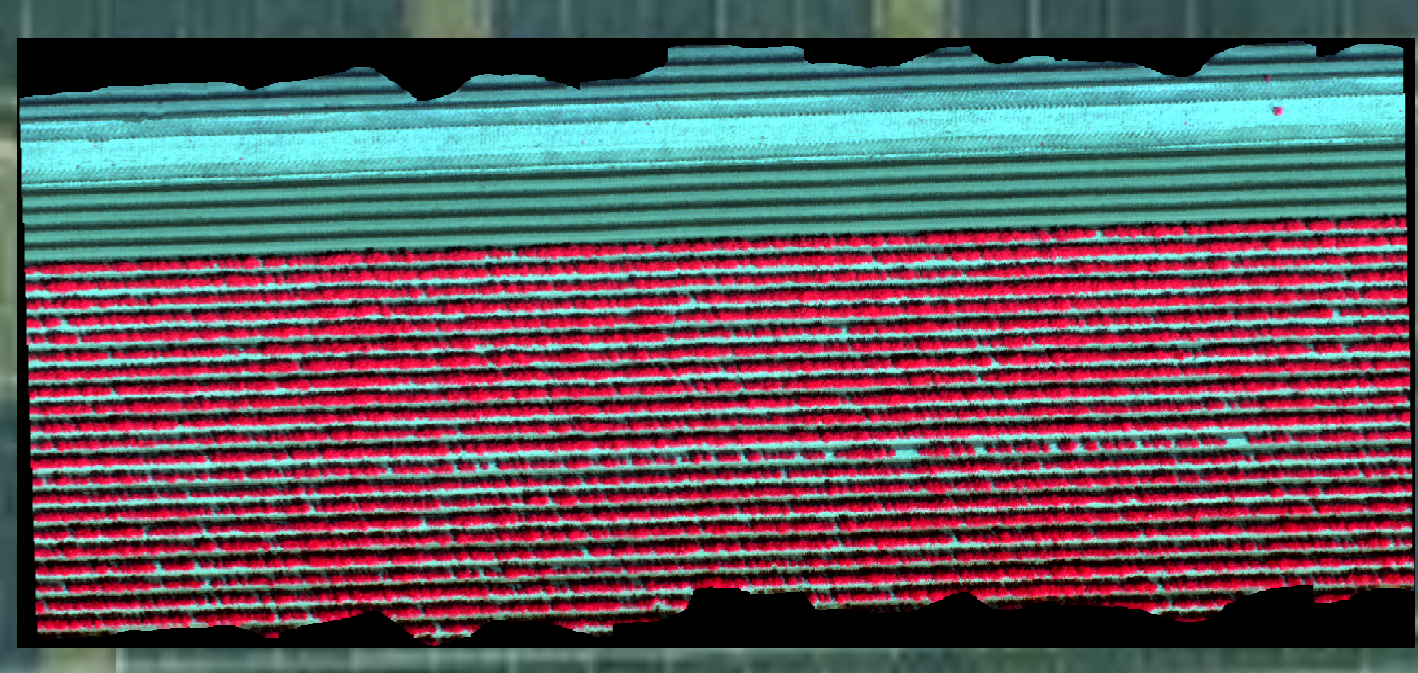
HYDRA-EO integrates UAV, satellite and RTM–ML processing for crop stress detection across studied European sites.
Project overview
Understanding crop stress across spectral and spatial scales
HYDRA-EO aims to develop and demonstrate a physics-informed, hybrid machine
learning framework for early detection and attribution of multiple stressors in
agricultural systems. By bridging leaf, canopy and landscape scales, the project
supports ESA’s Digital Twin Earth vision for crops and prepares methodologies for
upcoming missions such as FLEX, CHIME and LSTM.
The project addresses key Mediterranean and temperate crop systems (olive, citrus, pistachio,
grapevine) and develops interpretable indicators of plant health based on hyperspectral,
fluorescence and thermal data.
Multi-sensor datasets from field instruments, UAV platforms, airborne campaigns and satellite missions
are combined with radiative transfer models to retrieve functional traits related to photosynthesis,
structure and water status.
HYDRA-EO HYDRA-EO’s mission is to build an operational, multi-scale Earth Observation
framework capable of detecting, quantifying and attributing crop stress across Europe.
The project aims to bridge fundamental plant physiology with next-generation EO technologies,
enabling early warning capabilities for agriculture and supporting ESA’s long-term vision for
Digital Twin Earth.
By integrating radiative transfer modelling, hyperspectral and thermal sensing,
and hybrid machine learning approaches, HYDRA-EO seeks to deliver interpretable,
transferable stress indicators that can be deployed across different crops, environments
and sensor platforms. Ultimately, the mission of HYDRA-EO is to accelerate the adoption
of physics-guided ML in agricultural monitoring and contribute to more resilient, sustainable crop systems.
4
Core Partners
3
EU Countries
5
Crop Systems
Crop–Stressor Scenarios
HYDRA-EO focuses on four strategic crops and a palette of biotic and abiotic stressors.
Field campaigns and EO acquisitions are co-designed to capture contrasted responses
across varieties, management and climate zones.
Pistachio & Olive (Spain)
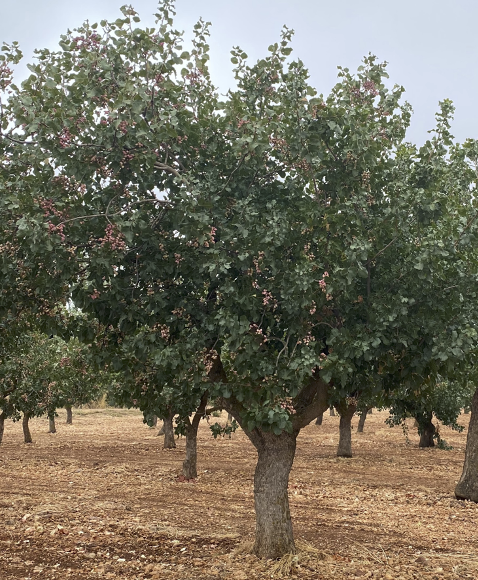
CIAG–IRIAF orchards with inoculated fungal and bacterial pathogens
(e.g. Septoria spp., Pseudomonas savastanoi) under varying water regimes
are monitored using UAV hyperspectral, thermal, and airborne-borne sensors to build
a unique multi-sensor stress dataset.
Potato (Netherlands)
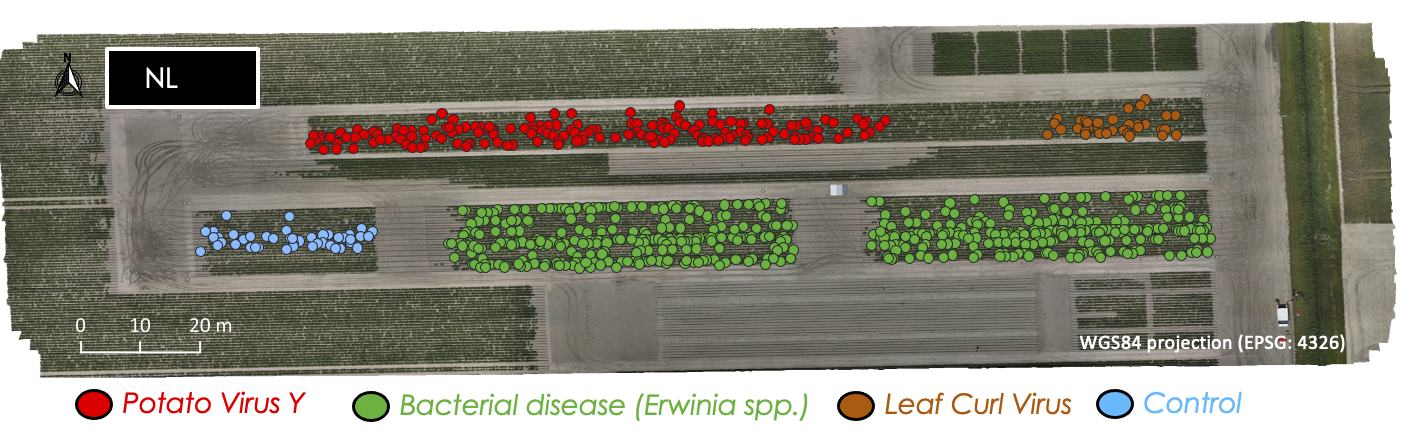
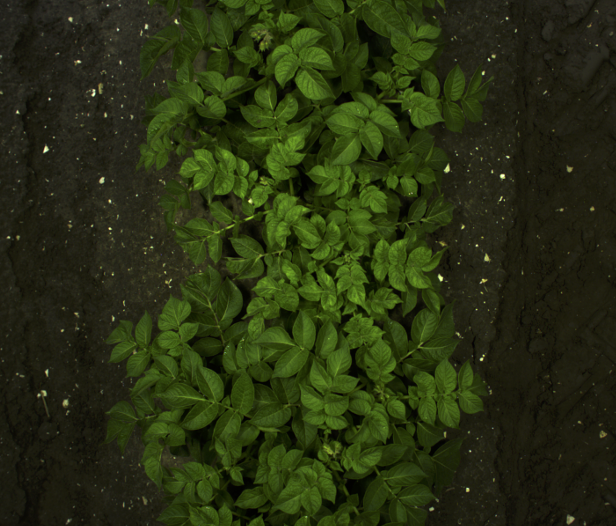
Multi-stressor trials including Potato Virus Y and fungal infections in a dedicated
phenotyping trial, combining leaf measurements, biochemical analysis, UAV imaging,
and satellite observations. These experiments generate contrasted physiological
responses across varieties under plant diseases.
Grapevine (Italy)
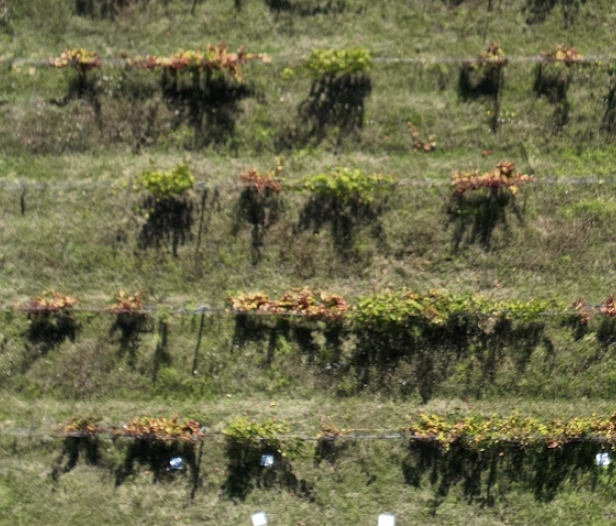
Italian vineyard plots infected with Flavescence Dorée
and additional fungal pathogens form the primary study area, enabling the
development and validation of spectral–thermal indicators for early disease
detection in perennial cropping systems.
Alfalfa (Italy)
Alfalfa experimental plots in Italy include controlled fertiliser treatments designed
to capture a wide range of physiological responses. HYDRA-EO also investigates the
spectral and thermal signatures associated with insect pressure in alfalfa,
enabling early detection of pest-driven stress.
HYDRA-EO develops a hybrid modelling framework that couples radiative transfer
simulations with machine learning to retrieve functional plant traits and disentangle
overlapping stress signals (drought vs. disease) across multiple EO platforms and crops.
Functional plant traits
Retrieve key functional traits
Retrieve traits such as chlorophyll content, anthocyanins, leaf area index (LAI),
biomass, water status, canopy temperature, nitrogen- and red-edge-based indices,
as well as SIF-related indicators. These traits are derived from hyperspectral,
multispectral and thermal data using PROSAIL- and SCOPE-based simulations combined with machine learning.
Stressors
Disentangle drought and disease
Separate the spectral and thermal fingerprints of drought, fungal infections, bacterial and viral diseases,
enabling early detection of biotic and abiotic stress.
This HYDRA-EO analyses how these stressors interact, overlap and evolve over time, improving
resilience assessments and supporting early warning systems in agricultural landscapes.
Scaling
Bridge scales & missions
Quantify how plant trait signals degrade from UAV and airborne hyperspectral data to satellite
missions such as Sentinel-2, PRISMA, EnMAP, FLEX, CHIME and LSTM, and design optimised bandsets
and indices for operational monitoring. HYDRA-EO develops scaling strategies that link leaf,
canopy and landscape processes, preparing methods for next-generation ESA missions.
Impact
Operational EO tools for users
Deliver open, ESA-oriented tools and Shiny interfaces that translate advanced radiative-transfer
modelling, hyperspectral–thermal analysis and hybrid machine learning into practical
decision-support applications for agronomists, advisors and policy stakeholders.
Hybrid radiative transfer and machine learning pipeline
HYDRA-EO combines empirical datasets, radiative transfer models and
advanced machine learning into a single workflow, aligned with ESA’s Digital Twin Earth vision.
Field & UAV campaigns: Coordinated hyperspectral, thermal and fluorescence
measurements over alfalfa, potato, grapevine, pistachio and olive sites.
Airborne & satellite data: Integration of PRISMA, EnMAP, Sentinel-2,
FLEX-like SIF products and simulated CHIME and LSTM configurations.
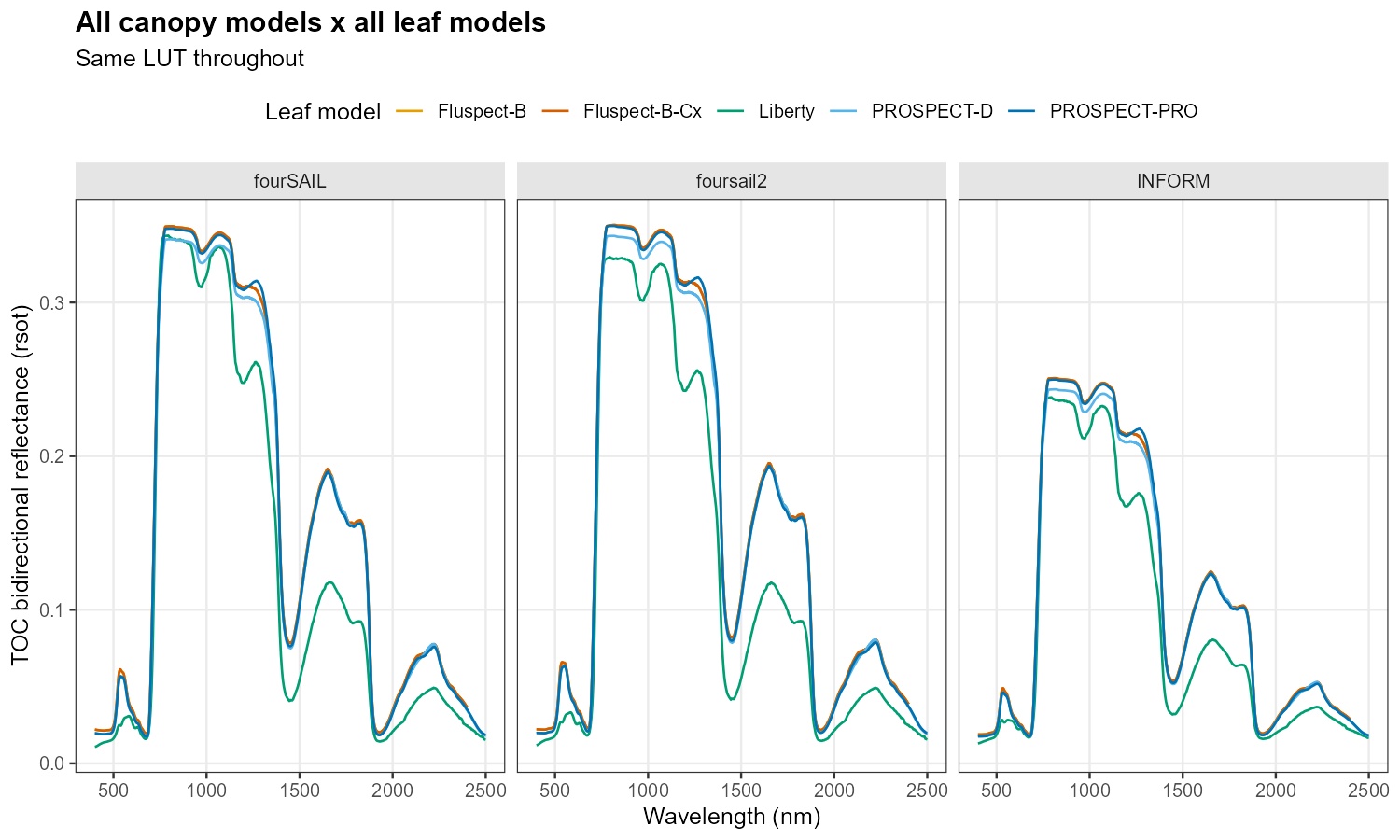
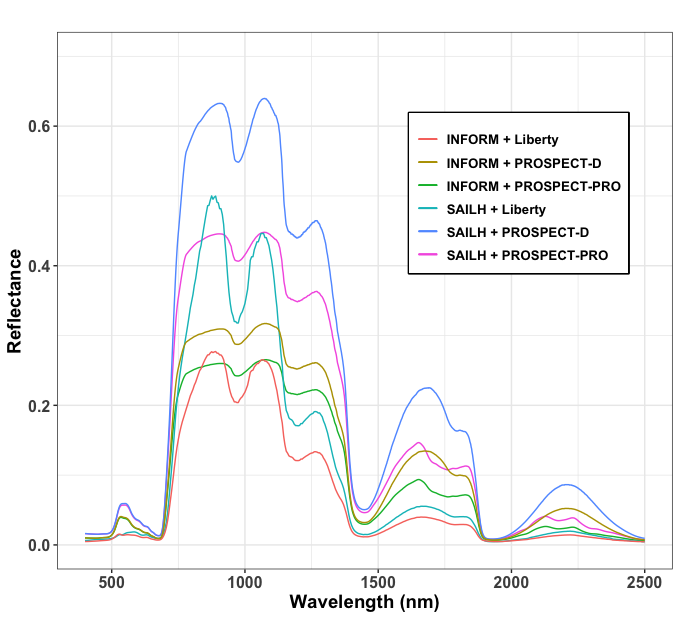
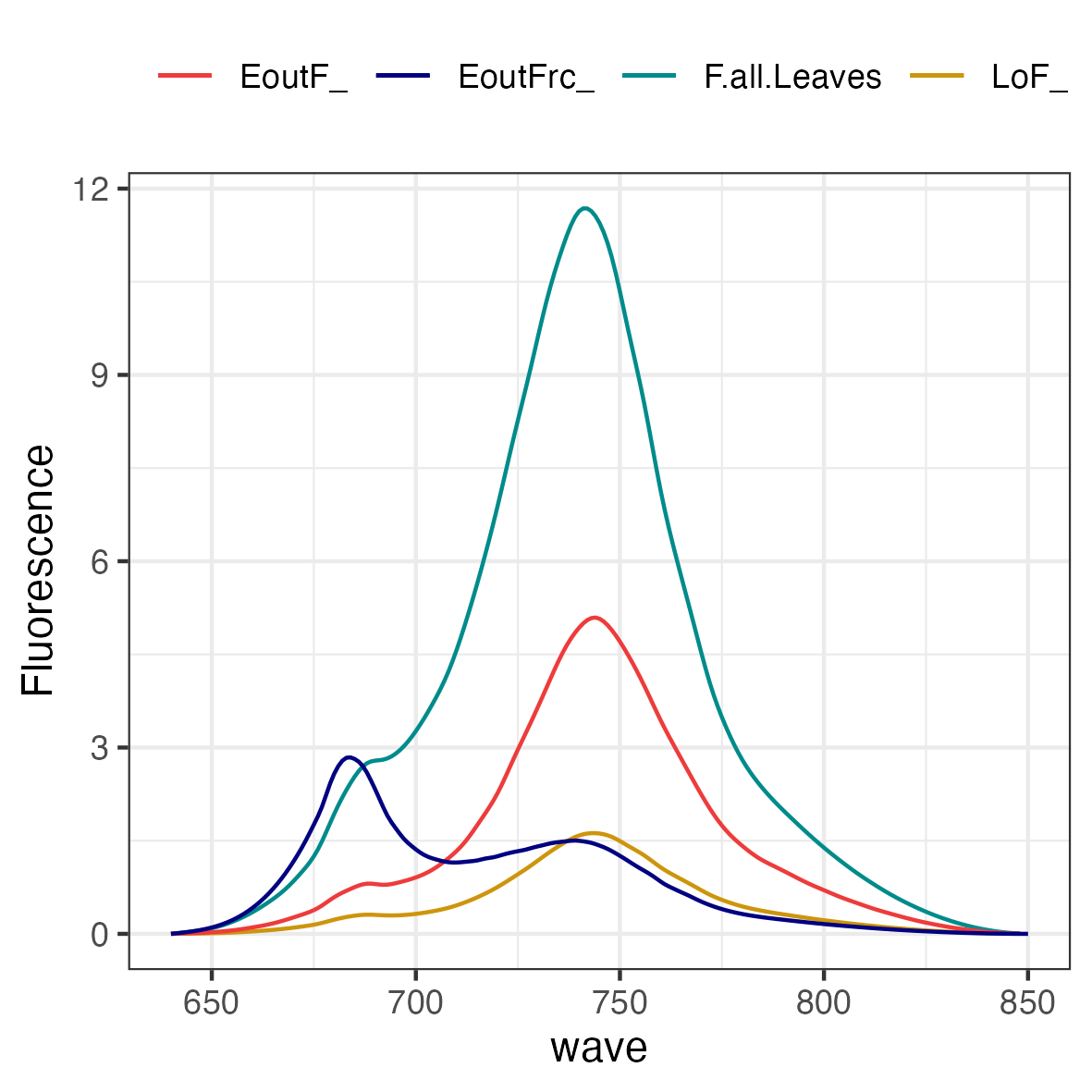
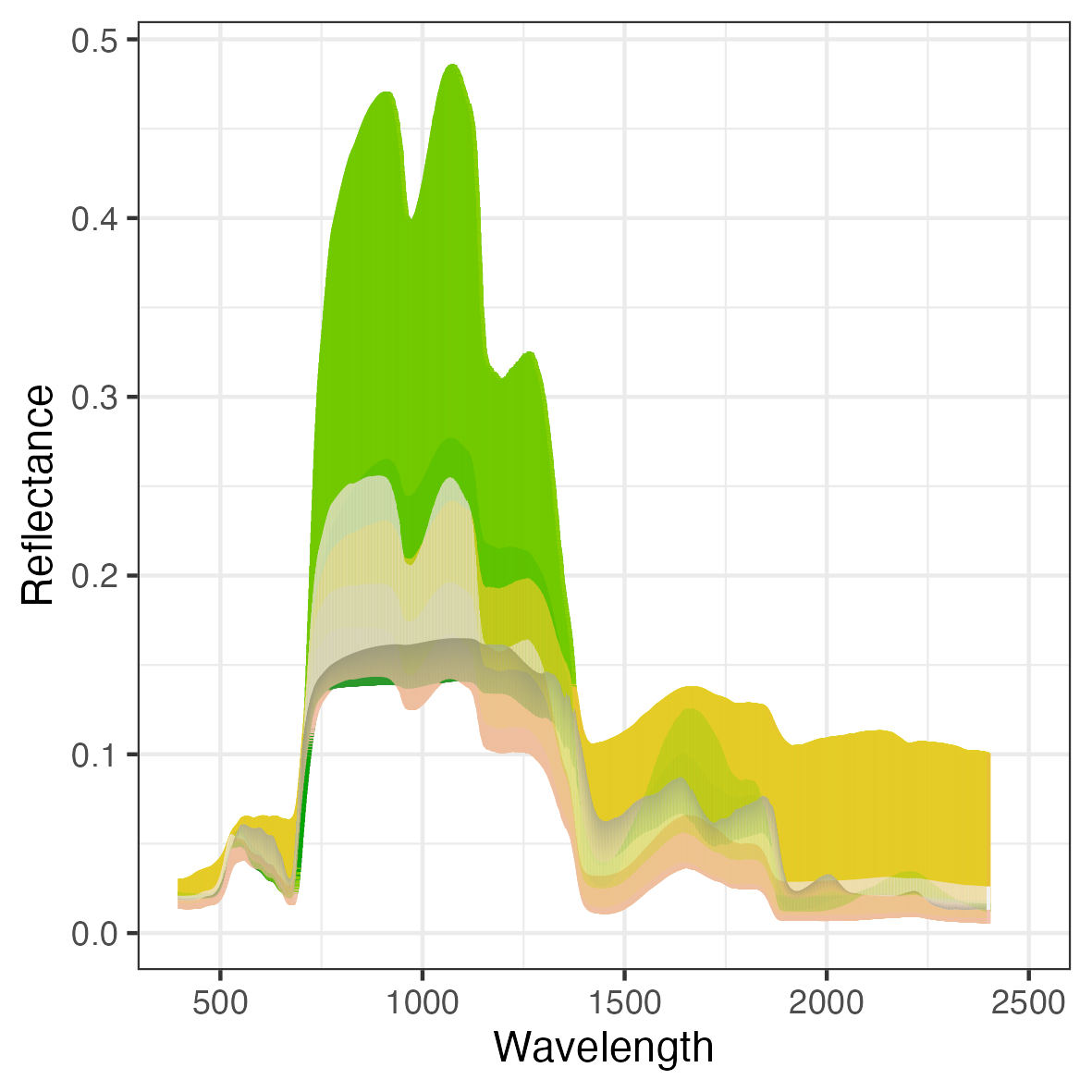
Radiative transfer: Use of PROSAIL and SCOPE models for simulating reflectance
and fluorescence at canopy level under controlled trait–stressor combinations.
Hybrid ML: Random forests, gradient boosting, CNNs and Gaussian processes
trained on RTM-informed synthetic libraries and empirical observations.
Physically-based canopy simulations using the
ToolsRTM
and
SCOPEinR
R packages, developed in GitLab, to model hyperspectral reflectance, fluorescence and surface energy balance processes.
HYDRA-EO activities, public presentations and scientific outputs
are disseminated through ESA events, conferences and peer-reviewed papers.
This section highlights key milestones and communication actions.
2026 field & airborne campaigns
From field measurements to airborne and satellite observations
Across the Netherlands, Spain, and Italy, HYDRA-EO is combining
field measurements with UAV, airborne hyperspectral and thermal
imaging, fluorescence observations, and satellite acquisitions to
understand how crop disease and stress become detectable across scales.
The 2026 campaign includes potato monitoring in Lelystad, olive and
pistachio experiments at El Chaparrillo, vineyard observations in
Italy, and collaborative activities with CERBERUS and regional
plant-health partners.
The HYDRA-EO team presented two studies on trait-based hybrid modelling,
ecosystem productivity, and forest-health monitoring:
Monitoring forest gross primary productivity with Sentinel-2 using plant trait-based hybrid radiative transfer and machine learning
Presenter: Dr. Carlos Camino Read the conference paper (PDF) →
Early fungal detection in pine forest by fusing PRISMA and Sentinel-2 with biophysical models
Presenter: Dr. Carlos Camino Read the conference paper (PDF) →
RTM-Suite brings leaf, canopy, soil, and atmosphere radiative transfer
modelling together with sensor convolution and plant-trait inversion in
one reproducible R and Python ecosystem. Explore 31 step-by-step tutorials,
interactive applications, and verified examples for vegetation and Earth
Observation research.
HYDRA-EO is coordinated by Wageningen University and brings together expertise
in EO services, modelling, plant pathology, genetics and agronomy from the
Netherlands, Italy and Spain.
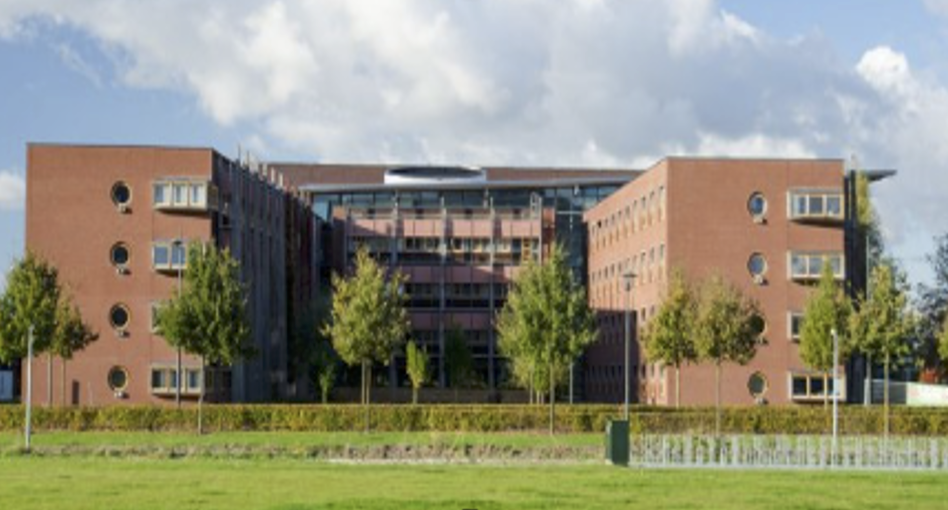
Wageningen University, Department of Environmental Sciences (WU-DES)
The Geoinformation Science and Remote Sensing (GRS) group leads overall coordination and WP1, WP2, WP5, WP6 and WP10.
WU-DES develops the RTM and ML core (ToolsRTM, SCOPEinR), designs the scientific workflow, and manages the central
Git and Shiny tools. Project coordination is led by Dr. Carlos Camino with scientific support from Prof. Dr. Lammert
Kooistra and colleagues.
Wageningen Environmental Research (WENR), Wageningen University & Research (WUR)
WENR leads WP8 (Scientific Collaboration) and WP9 (Promotion & Coordination), and co-leads WP6. The team specialises
in operational EO services, evapotranspiration and agricultural applications, and is responsible for outreach, stakeholder
engagement and links with ESA platforms.
Consiglio Nazionale delle Ricerche – Institute of BioEconomy (CNR-IBE)
CNR-IBE leads WP3 (Development & Validation), WP4 (Experimental Dataset Generation) and WP7 (Scientific Roadmap).
The group coordinates Italian alfalfa and vineyard campaigns, hyperspectral validation and scaling studies, and
contributes to trait retrieval modelling and the long-term scientific roadmap for ESA missions.
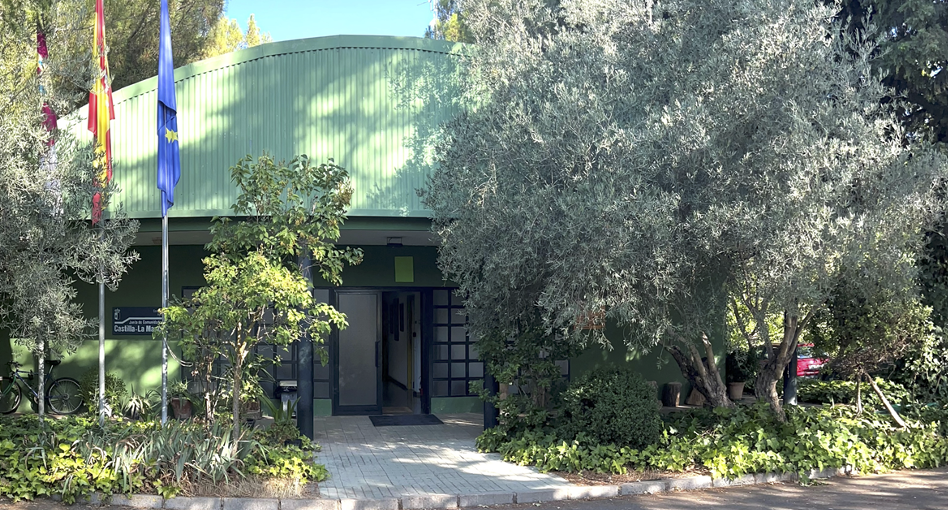
Chaparrillo Agro-Environmental Research Center (CIAG-IRIAF)
CIAG-IRIAF co-leads WP2 and is responsible for pistachio and olive trials in WP4. They provide experimental orchards with
controlled inoculation of fungal and bacterial pathogens, conduct UAV and aircraft-borne campaigns, and integrate agronomic,
spectral and genetic data to support stress disaggregation and resilience studies.
Wageningen University & Research (WUR)
Chaparrillo Agro-Environmental Research Center
Consiglio Nazionale delle Ricerche – Institute of BioEconomy Center
HYDRA-EO builds on existing open-source ecosystems developed by the GRS group at Wageningen University
and extends them with ESA-funded modules for plant trait retrieval and stress detection.
Featured open framework
RTM-Suite: radiative transfer modelling in R and Python
RTM-Suite connects leaf, canopy, soil, atmosphere, energy-balance and
fluorescence models with sensor convolution, sensitivity analysis,
look-up tables and plant-trait inversion. Its R and Python components
are developed and numerically verified as one reproducible ecosystem.
R package for leaf and canopy optics, real-soil modelling, sensor
convolution, spectral indices, look-up tables, and trait inversion
using classical machine learning and deep learning.
R implementation of SCOPE 2.0 for coupled soil-canopy radiative
transfer, photosynthesis, surface energy balance, thermal emission,
and sun-induced chlorophyll fluorescence.
Python library for leaf and canopy simulation, MARMIT, sensor
convolution, spectral indices, ML and deep-learning inversion, and
STAC-based satellite data access.
Python implementation of SCOPE for optical, thermal, biochemical,
energy-balance, photosynthesis, and fluorescence simulations within
reproducible Python workflows.
Short, reproducible snippets to explore the HYDRA-EO workflows with
ToolsRTM and SCOPEinR. You can copy, paste
and adapt them in your own R scripts or RStudio projects.
ToolsRTM in R
Function documentation and reproducible tutorials for leaf and canopy
simulation, sensor convolution, inversion, and sensitivity analysis.
library(ToolsRTM)
# Launch Shiny simulators for different RTMs

ToolsRTM::get.simulator(app = "SCOPE")
ToolsRTM::get.simulator(app = "getLUT")
ToolsRTM::get.simulator(app = "PROSAIL-BRDF")
# Type ?get.simulator to see more options
R · ToolsRTMBasic PROSAIL simulation
Show code
library(ToolsRTM)
#Get default PROSAIL input list
inputs <- ToolsRTM::inputsPROSAIL

# 2.2 Generate a LUT with 100 samples
set.seed(1234)
LUT <- as.data.frame(ToolsRTM::getLUT(inputs = inputs, nLUT = 100, setseed = 1234))
# Summarise min–max per parameter
lut_ranges <- data.frame(
  Parameter = names(LUT),
  Min = round(sapply(LUT, min, na.rm = TRUE),3),
  Max = round(sapply(LUT, max, na.rm = TRUE),3)
)
# Display in an interactive datatable
DT::datatable(
  lut_ranges,
  caption = "Ranges of sampled input parameters in the LUT",
  options = list(pageLength = 10)
)

# DGet soil profile
rsoil.dry <- ToolsRTM::dataSpec_PDB$dry_soil
rsoil.wet <- ToolsRTM::dataSpec_PDB$wet_soil
psoil    <-  0.5

rsoil.default<- c(psoil*rsoil.dry+(1-psoil)*rsoil.wet)
wl_grid <- 400:2500  # wavelength grid in dataSpec_PDB

#Simulate PROSAIL (foursail) for each LUT row
sims <- lapply(seq_len(nrow(LUT)), function(i) {
  out <- suppressMessages(ToolsRTM::foursail(
    inputLUT    = LUT[i, ],
    rsoil       = rsoil.default,
    LeafModel   = "PROSPECT-PRO",
    spectrum.all = TRUE
  ))
  # out has rdot, rsot, rddt, rsdt; combine to BRF using solar zenith (tts)
  brf <- ToolsRTM::Compute_BRF(
    rdot = out$rdot,
    rsot = out$rsot,
    tts  = LUT[i, "tts"],
    data.light = ToolsRTM::dataSpec_PDB
  )
  # Return tidy tibble for this run
  tibble(run = i, wl = wl_grid, rho = as.numeric(brf))
})
HYDRA-EO is currently in preparation for the ESA Kick-off meeting.
For questions regarding the project, collaboration opportunities,
datasets or technical details, please contact the project coordinator
at Wageningen University & Research.
Project coordination
Dr. Carlos Luis Camino González
Geo-Information Science and Remote Sensing (GRS)
Wageningen University – Department of Environmental Sciences (WU-DES)
Wageningen, The Netherlands

 ToolsRTM
 ToolsRTM.app
 toolsrtm